

D8 Artist Spotlight - Abhainn Wheeler
For our latest D8 Artist Spotlight, we meet ceramic artist Abhainn Wheeler, whose work draws on Ireland’s wild landscapes, ancient sites and the stories we tell about them.
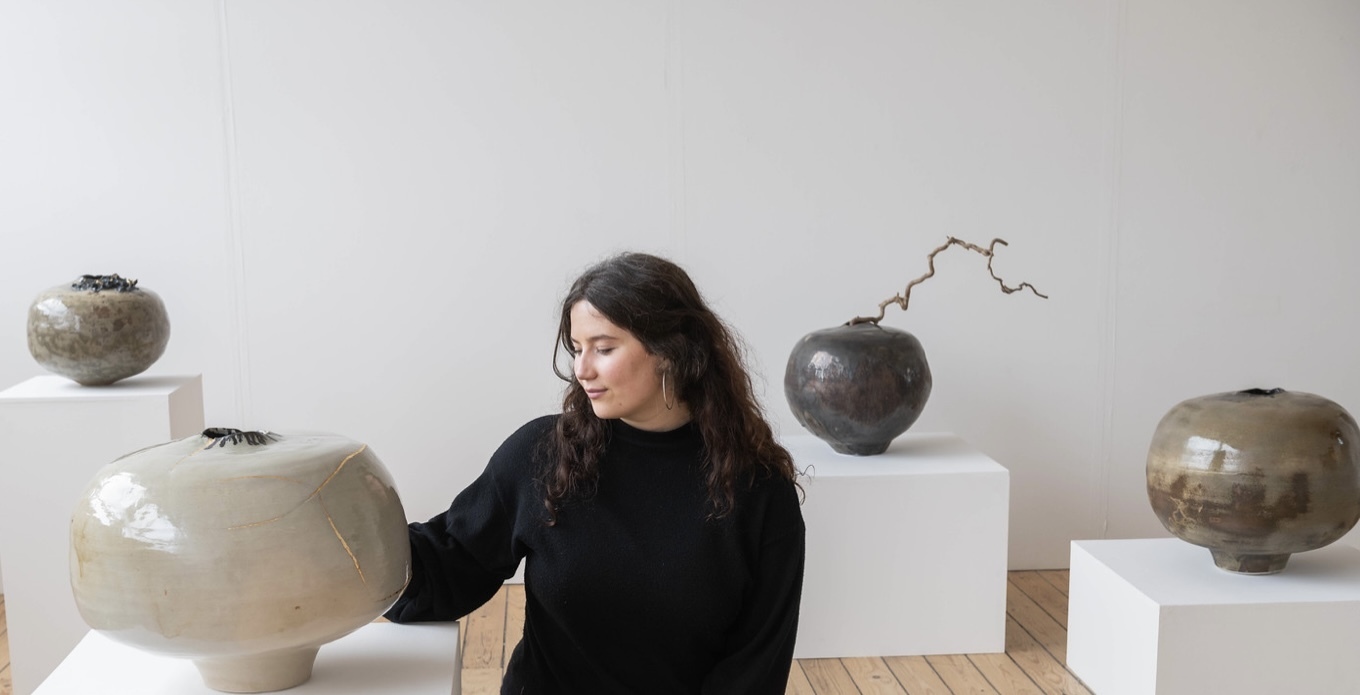
Originally from Wicklow, Abhainn has spent the past year developing her practice at Throwing Shapes through the Clay City Graduate Residency, a collaboration with Staycity. Working with clay, organic forms and layered glazes, she creates vessels that explore our relationship with the land, memory and ritual.
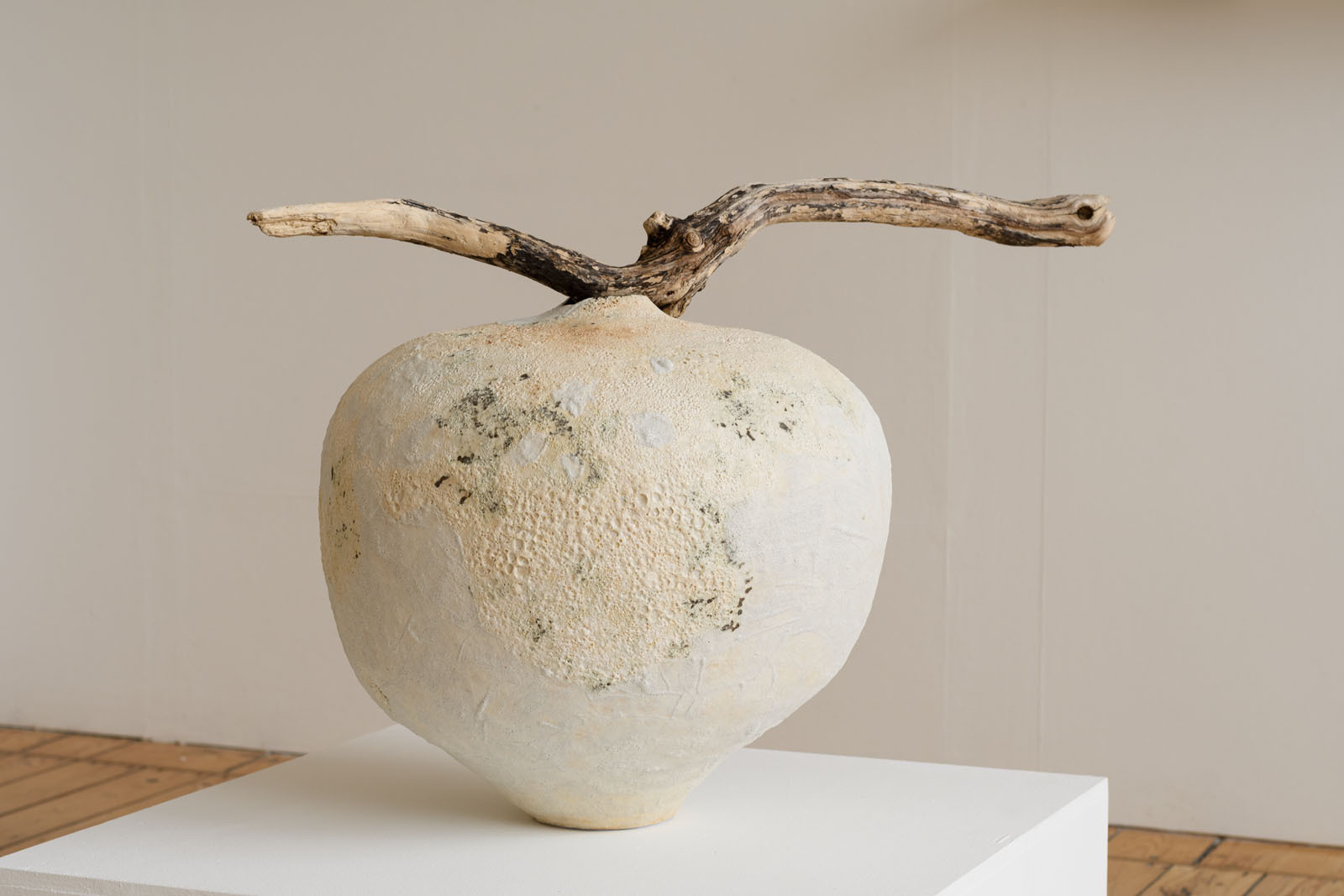
Her recent exhibition, Alltar – Otherworld, took inspiration from passage tombs, stone circles and the possibility of passage between worlds. We spoke to Abhainn about the places that spark her imagination, finding a creative community in Dublin 8, and how time and space to experiment can make a difference to an emerging artist. At the heart of our conversation is something she hopes her work encourages in others: the importance of letting yourself wonder.
Abhainn, what first drew you to clay, and when did you begin to feel it could carry the stories you wanted to tell?
I was first drawn to clay because of how raw and intuitive the process is. The actual making feels very grounded and unpretentious. You have to get your hands dirty and a lot of the time you don’t get any results you might consider beautiful.
You grew up in Wicklow and often draw on Ireland’s landscapes and folklore. Is there a particular place or story that has stayed with you and found its way into your work?
Yes absolutely. I have always been really inquisitive and as I’ve explored Wicklow and visited sites like Seefin Passage Tomb I’m often thinking about the purpose of these ancient sites. It sets off a narrative in my mind where I’m trying to understand how vulnerable and raw it would have been to completely rely on the earth for your survival. Something we have forgotten is still true. Of course you would worship the sun and the stars and the elements when you rely on every season for food and warmth. I think this reverie of the earth finds its way into my work.

Your vessels have such organic forms and layered surfaces. How does a piece usually begin for you, and how much do you allow the clay to lead the way?
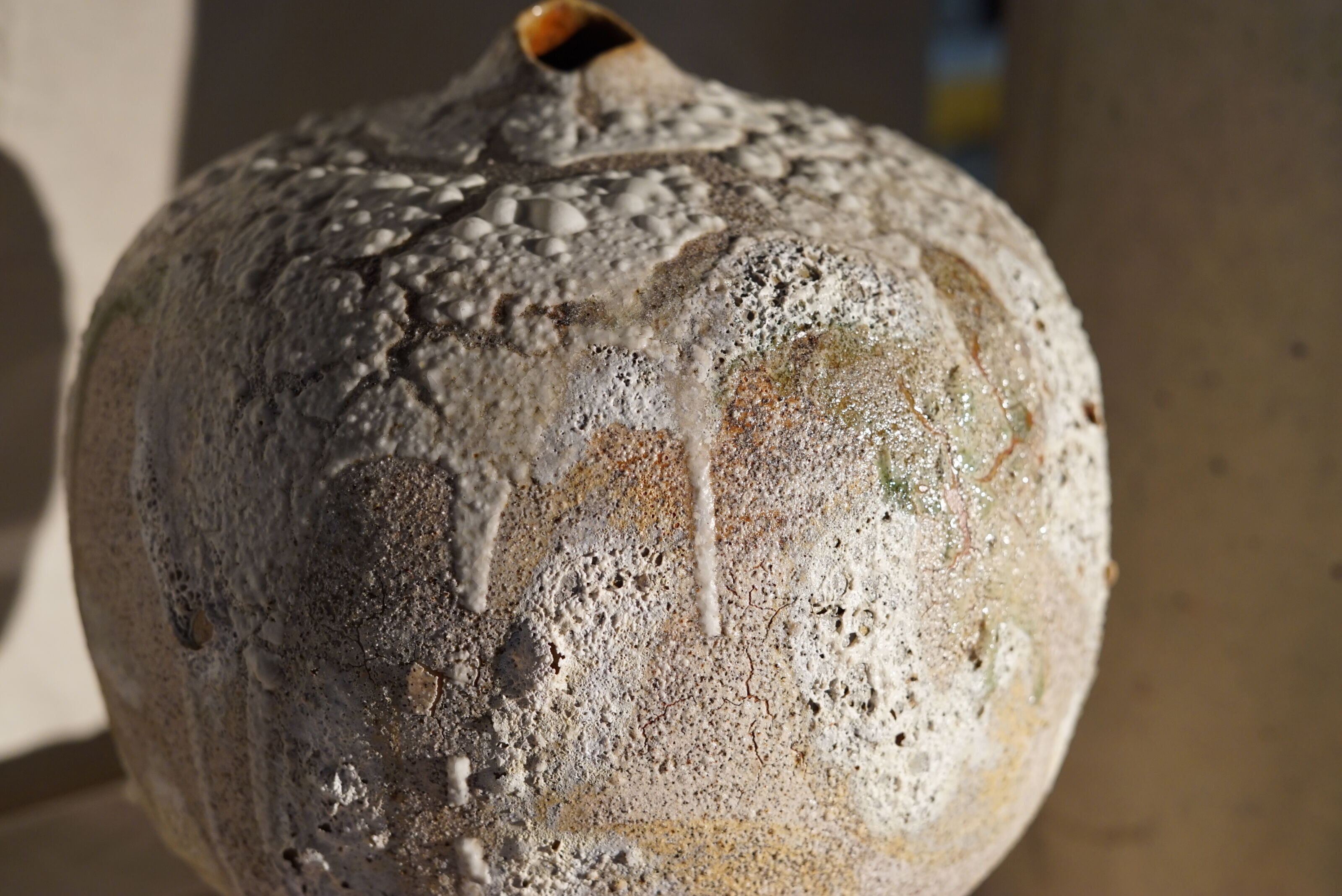
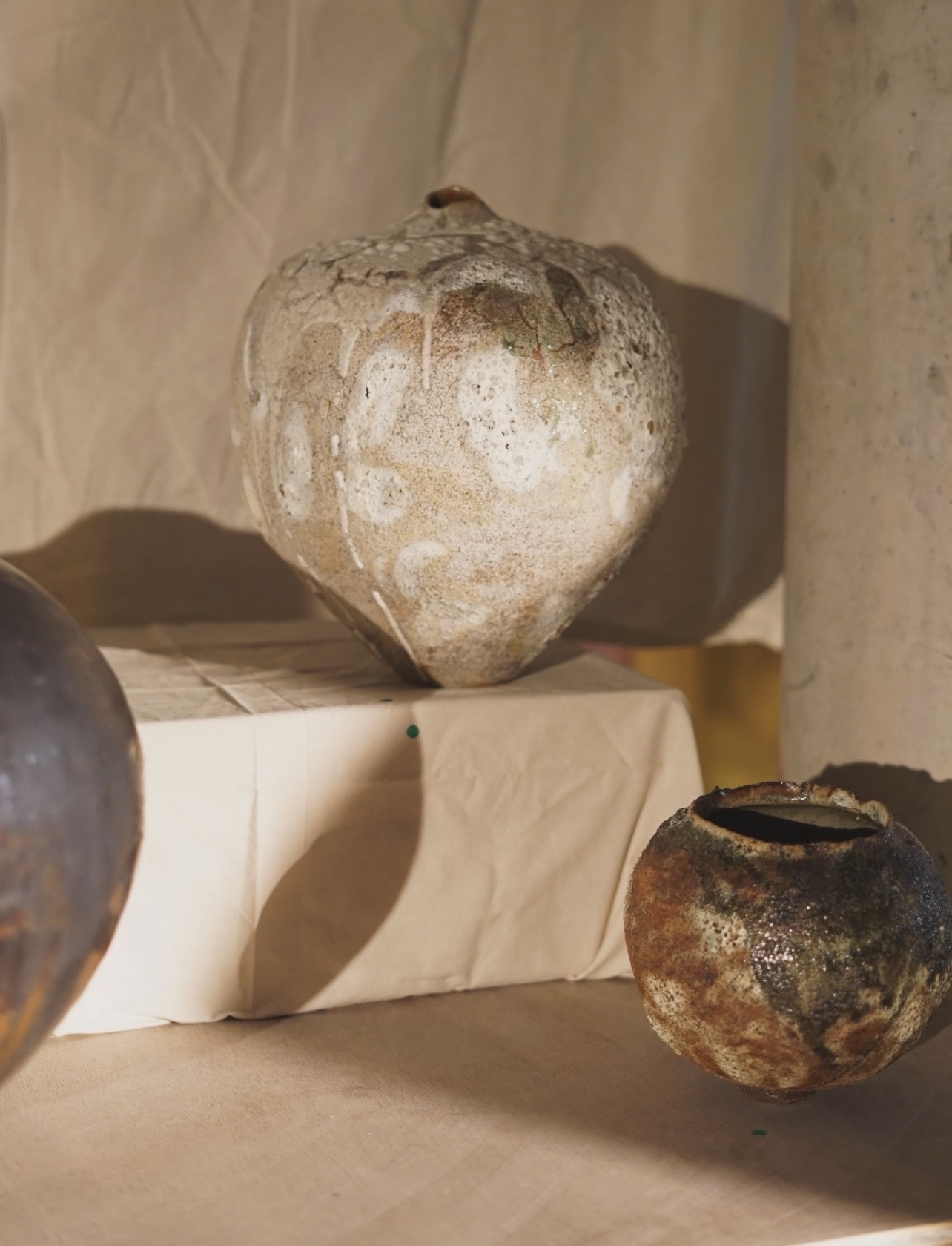
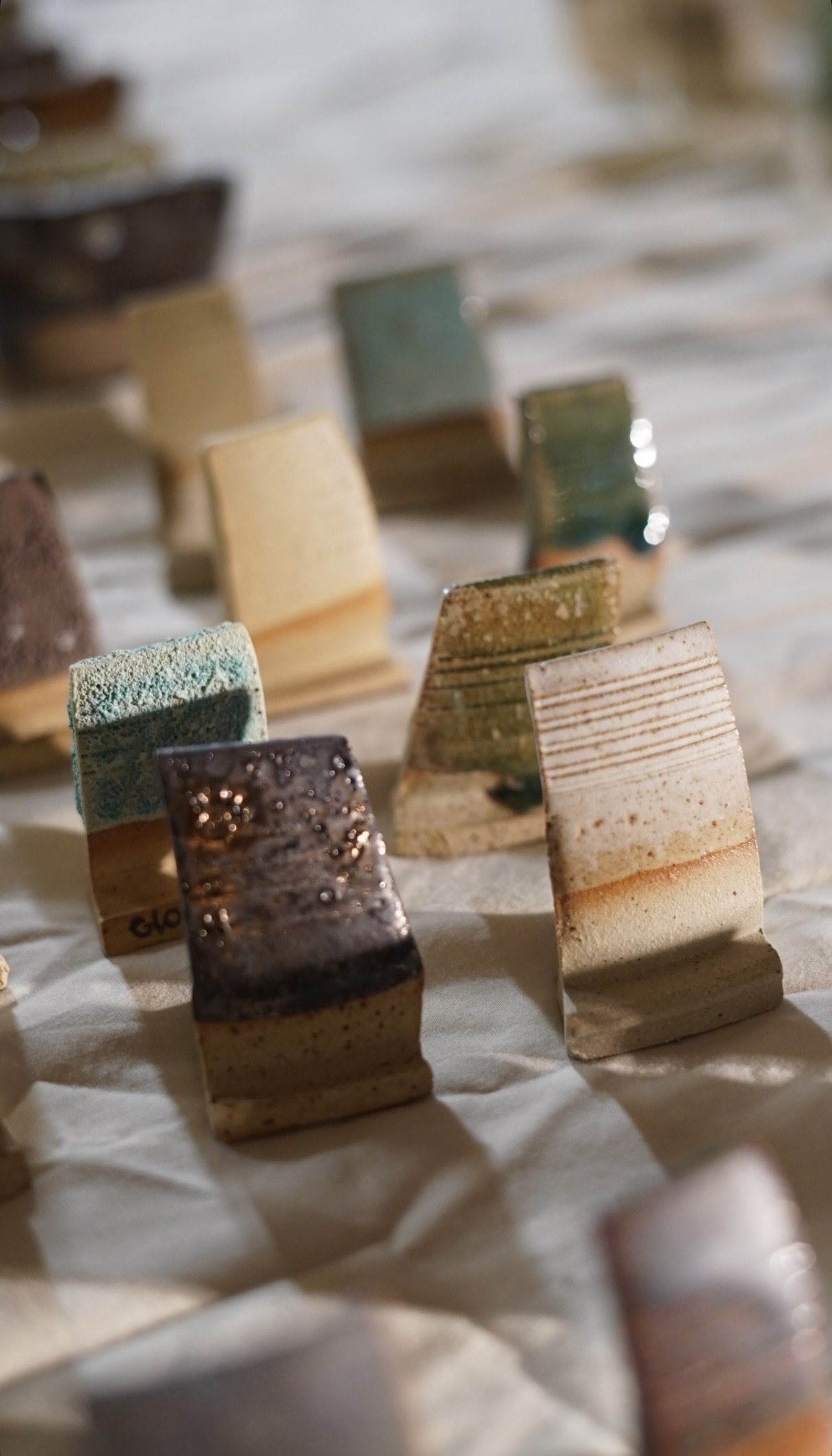
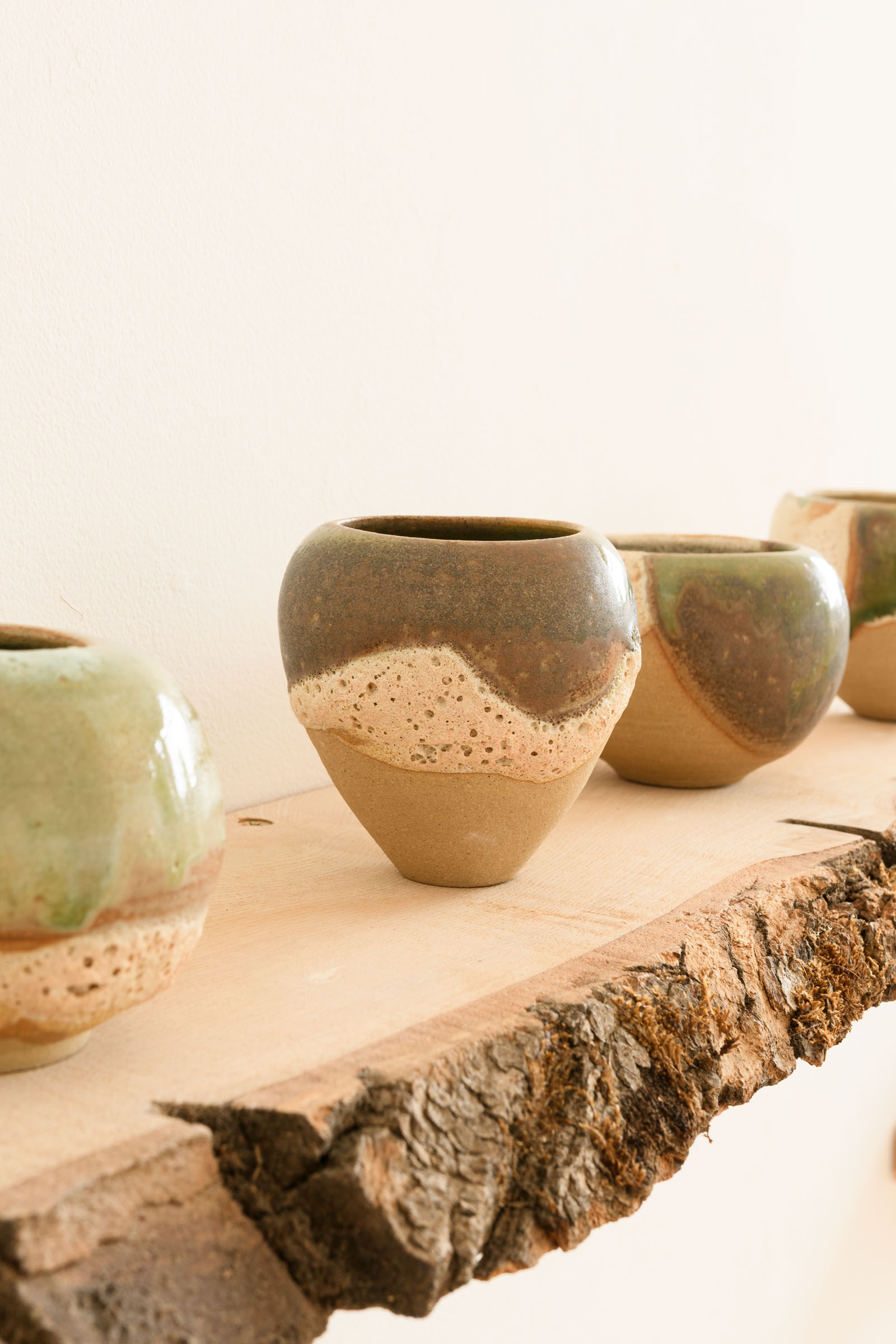
It's important to me to let the making inform the finished piece that way I feel that the material has just as much involvement with the vessel as I do. Making with clay is elemental and intuitive and embracing that can be half the battle. Curving round forms reflect what I see in nature everyday and I enjoy replicating them in clay. I love layering glazes to create textures that mirror those of the surfaces of stones and rocks at the ancient sites I visit.
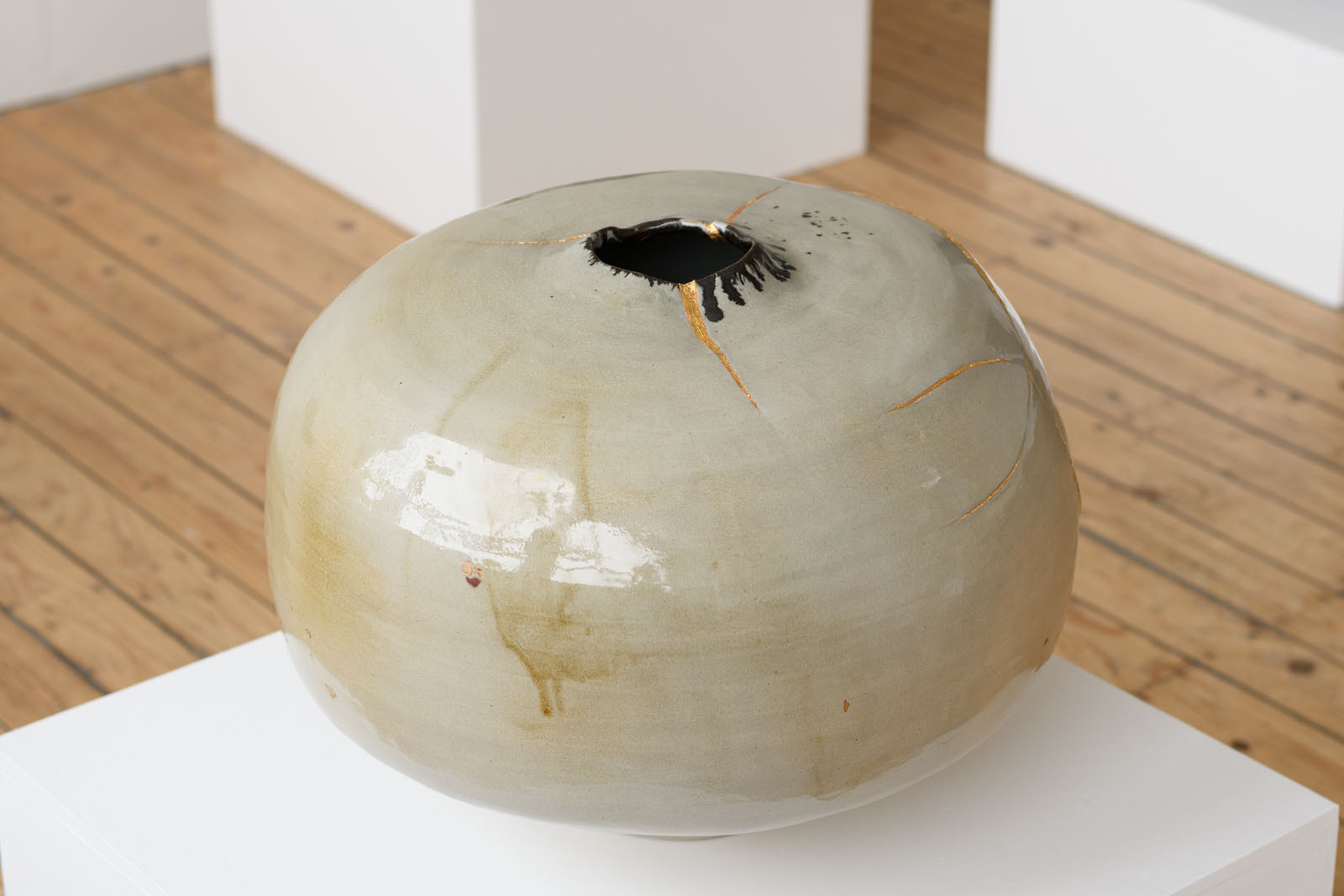
You’ve described your work as carrying the memory of the land. What does that idea mean to you when you’re actually making something with your hands?
The stone circles and passage tombs I’m so in awe of are undeniable fingerprints our ancestors left behind. They say we were here, we worshipped the land, we grieved our dead and we celebrated our lives too. They are proof that humans want to understand what can’t be explained and we constantly are searching for a way to hold something that we can’t contain. They are also proof that we need community and ritual to ground us. Making with clay lets me think about all of this and try to leave my mark in a way that feels important to me.
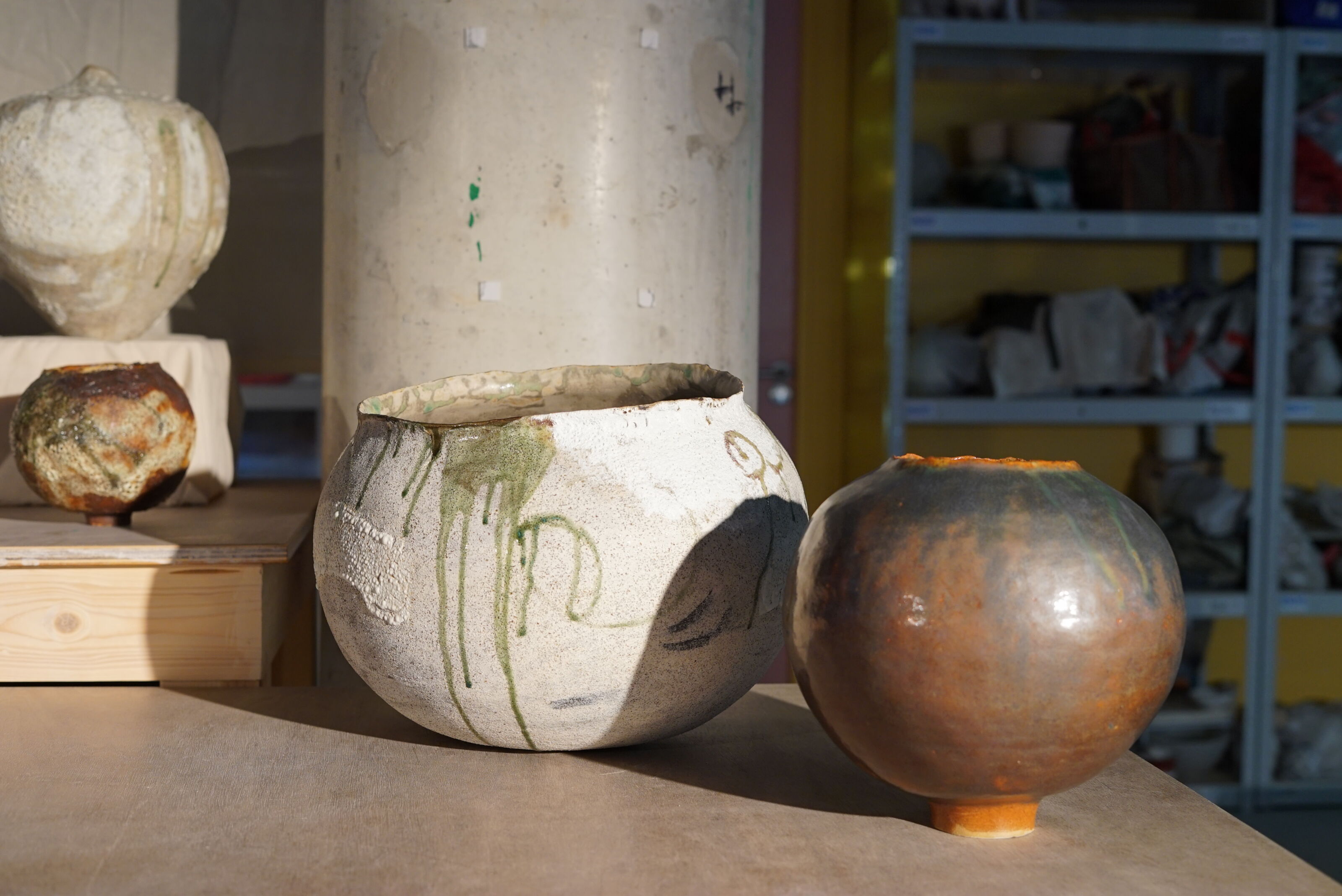
Your new exhibition, Alltar – Otherworld, explores portals and the possibility of passage between worlds. What first sparked this body of work?
The late Manchan Magan is a huge inspiration of mine. He puts into words how I feel about Ireland's landscape. I am consistently going back to his book “Listen to the Land Speak” where I first read the word “Alltar”. When I visit these sites I often feel like I’m standing on the precipice of knowing something. So when I read about how in Irish mythology these places were often where transformation and passage between worlds was possible it felt fitting to root the work in this concept.
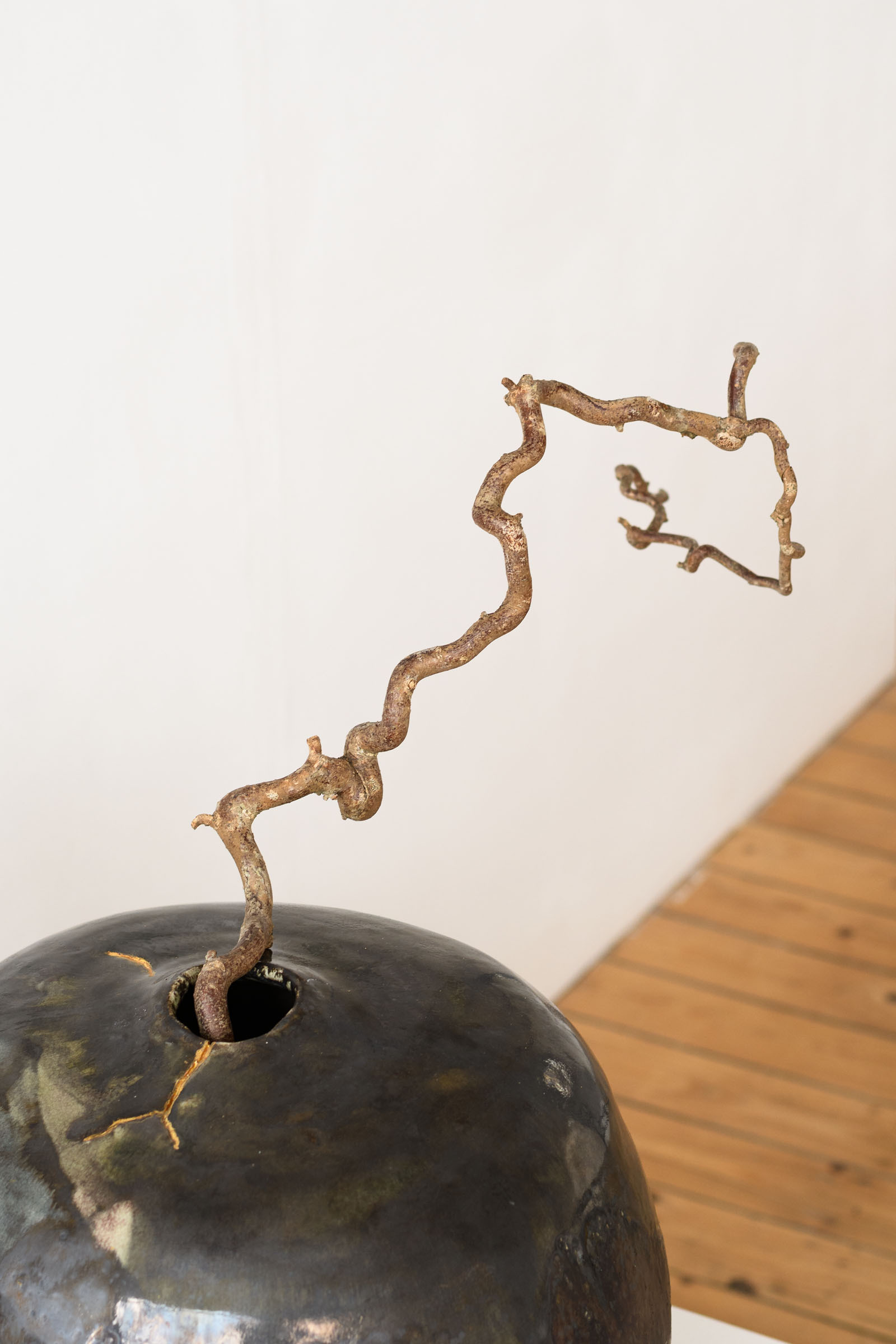
Passage tombs, stone circles and burial vessels all feed into Alltar. Was there one image, object, place or idea that became especially important as the exhibition developed?
For me it was the idea of passage tombs and stone circles being a threshold that captivated me the most. The idea of imagining an other-world is such a natural human instinct. We all want to know what comes next and what lies beyond what we can see. But in the end we can only imagine. So I think the idea of a portal and standing on the threshold of knowing became important to this concept for that reason. No one actually knows in the end.
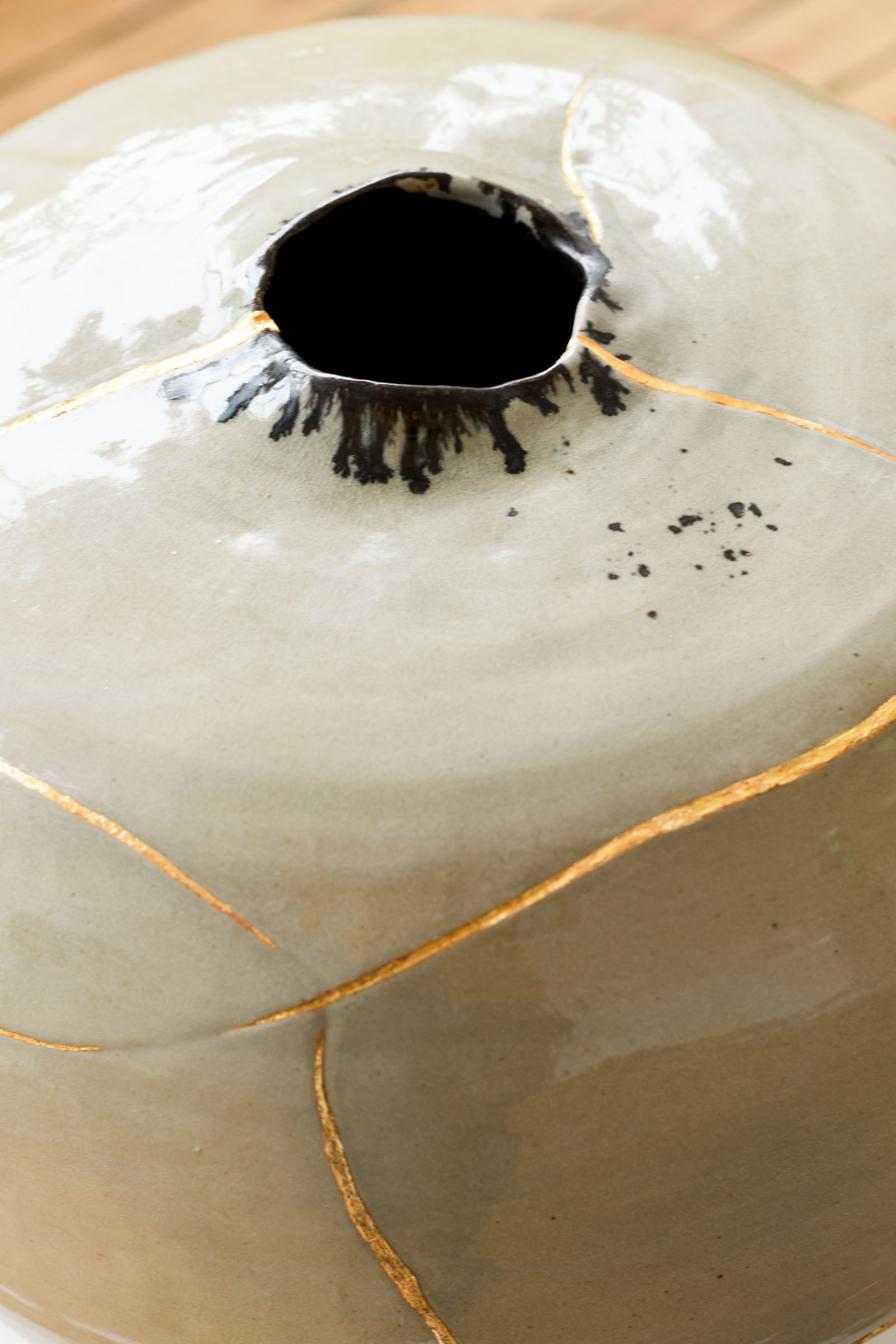
What has the Clay City Graduate Residency at Throwing Shapes given you at this stage of your career? Was there something you could explore this year that might otherwise have been difficult?
Overall the Clay City residency has given me the time and space to follow my passion which is such a privilege now. It’s vital for emerging artists to have access to community and see that there are professionals who are following this career and succeeding. When you come out of college or trying to break into this scene you are usually set adrift. Giving emerging creatives the chance to get their foot in the door is actually such a gift and not something that’s offered to everybody even though it should be.
You’ve spoken about how daily life finds its way into the studio. How has living and working in Dublin 8 influenced what you’ve made here?
Dublin 8 has inspired me to celebrate the history and culture of craft and visual arts in Ireland. I have definitely gained confidence watching how Dublin 8 values creativity and community.
What has it been like becoming part of the creative community at Throwing Shapes? Is there an exchange or encounter from the past year that has stayed with you?
Throwing Shapes has introduced me to a community of people who also love what I love! Whether it’s a new technique or a new form it’s been amazing to watch everyone get excited about this common interest. The best part is that every new member brings a new perspective to the subject. You are forced to consistently change and push yourself and it makes for an interesting learning environment.
As you prepare to share Alltar, is there a piece you feel particularly close to? What would you love people to notice or feel when they spend time with the work?
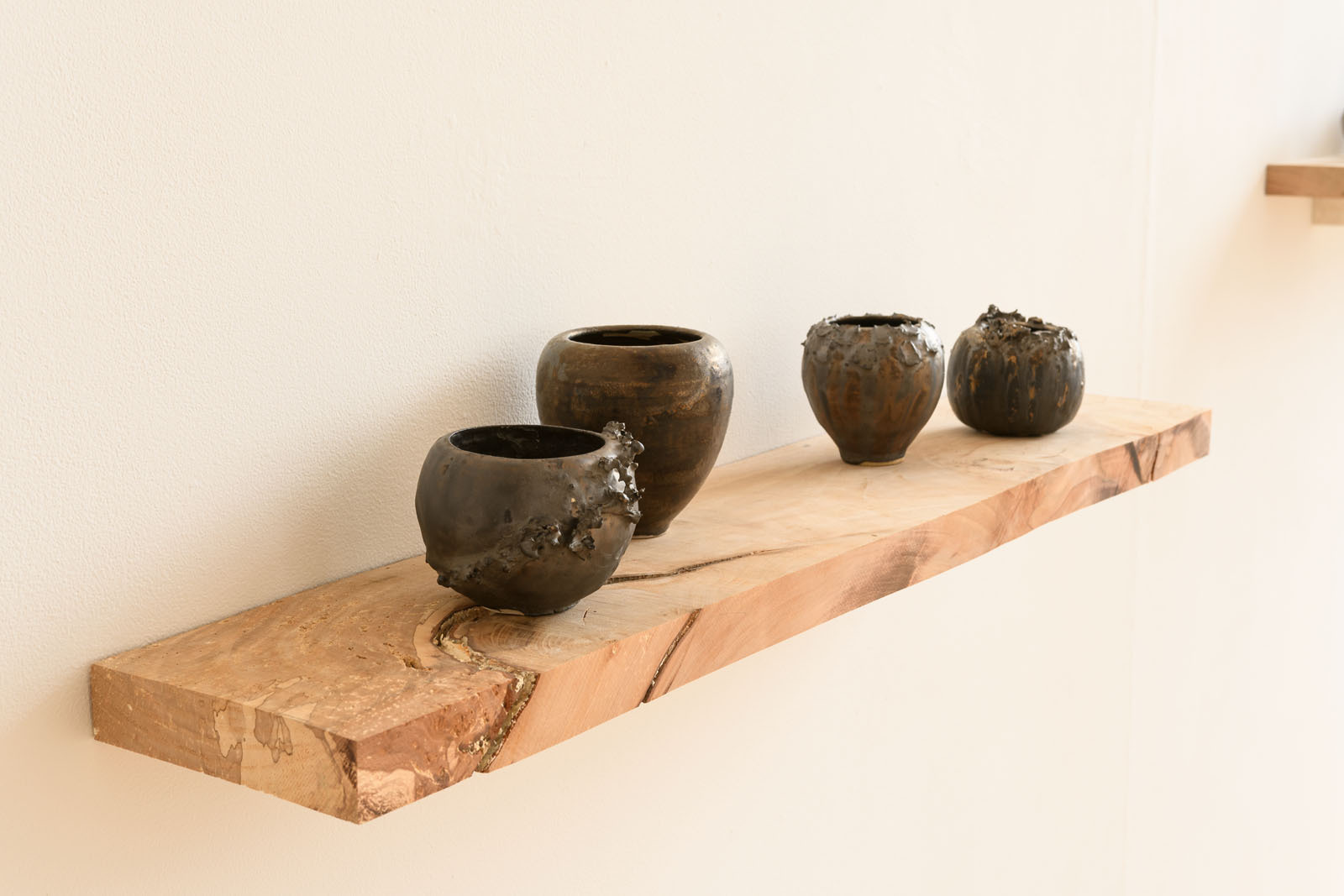
The body of work as a whole tries to communicate the feeling of standing amidst ancient stone and ritual. You don’t know the exact meaning or thought behind it but you connect with the intention. I think we all know what it is to wonder if magic and myth have truth in them somehow and we can relate with why our ancestors would want to create a site to mark that. I hope this work shows how much I respect and value Ireland's wild landscape and history and that it communicates the importance of letting yourself wonder.
As your year with Clay City comes to an end, what’s next for you and your practice? Are there ideas from Alltar that you’d like to keep exploring?
I am planning on looking for an apprenticeship next, I would love to learn from a master ceramicist and get the chance to hone and refine my technique further. I think the ideas from Alltar will definitely continue to evolve and grow with my practice as I’m always finding a new mythical figure or site that captures my attention and leads me down another road of research and exploration.
Quick Fire Round
A landscape you keep returning to?
The Wicklow Mountains
A myth, story or figure that fascinates you?
The Triple Goddess, I will always be fascinated by how Irish Myth doesn’t try to pigeonhole women as being either good or bad. We get to be multidimensional and morally grey while also being brave and fierce.
Your favourite part of the making process?
Opening the Kiln!
A Dublin 8 place you’ve come to love?
Oscars Square, I love watching everyone bringing their dogs there.
One word to describe this year in residence?
Raw.
About Clay City
Clay City is a ceramic artist residency programme created by Throwing Shapes and Staycity, offering artists time, space and support to develop their practice in Dublin 8. Through studio access, accommodation and opportunities for mentorship and creative exchange, it supports emerging and established ceramic artists. Abhainn was the programme’s first graduate resident for 2025–2026.